How to Find the Right Connector
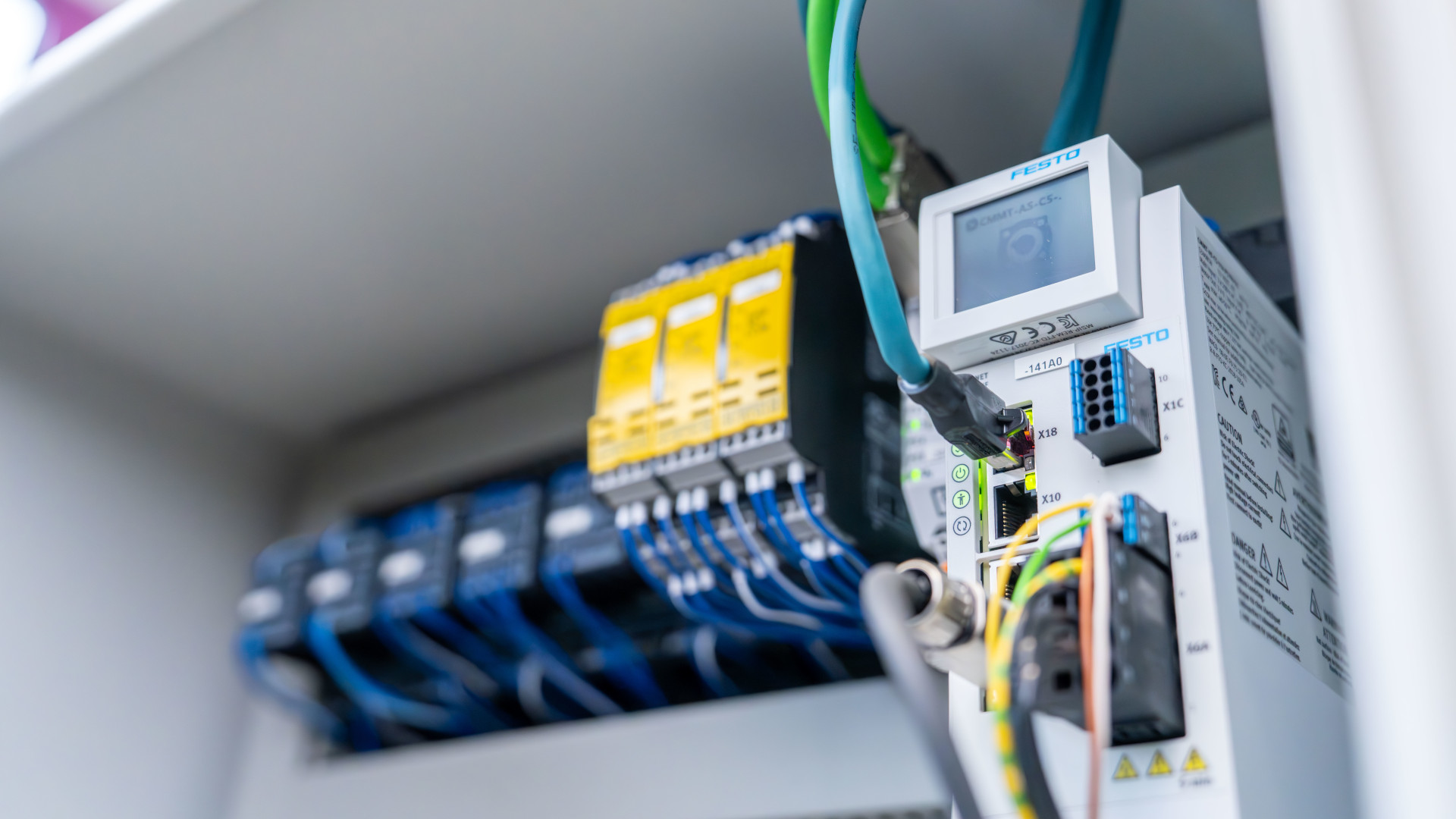
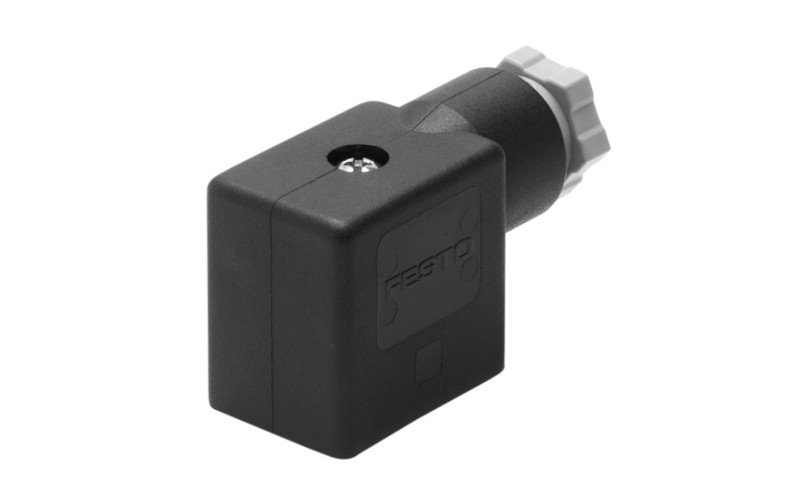
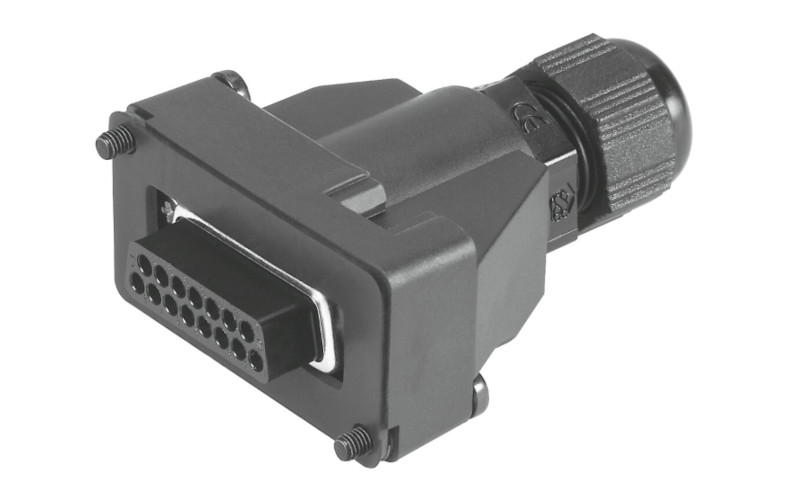
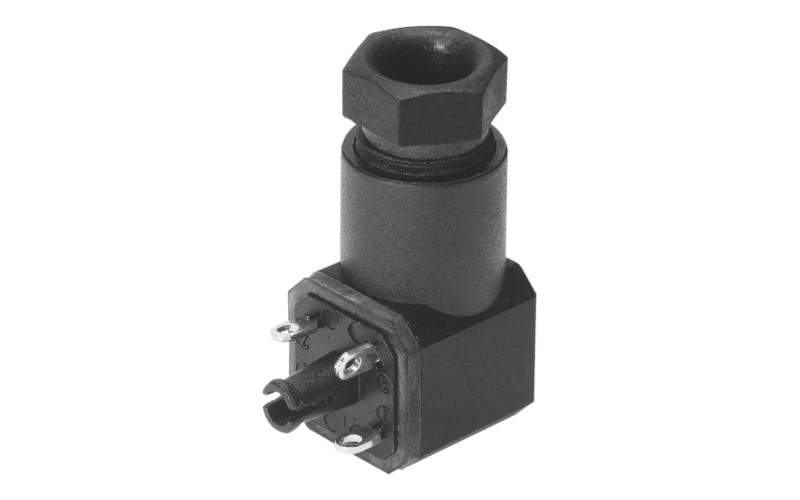
Not every connector is suitable for every application. To ensure machines operate safely, the connector must be precisely matched to the technology and the installation site. Consider early on which components you want to connect and under what conditions the connection must function. If the environment is dusty, hot, or humid, the connector requires special protection. Strong vibrations can also impair functionality if the housing isn’t sturdy enough. By considering these factors early on, you can avoid unnecessary downtime. You’ll also make future maintenance easier, since a properly matched connector is simpler to inspect, disconnect, and reconnect. The function of the connector is also important. Controllers transmit data, sensors measure values, and valves regulate the flow of air, gas, or liquid. Depending on the application, the connector must either transmit data quickly or reliably conduct electricity continuously. The design also plays a role: all parts must fit together mechanically and remain stable.
Accurately Assessing Standards, Dimensions, and Compatibility
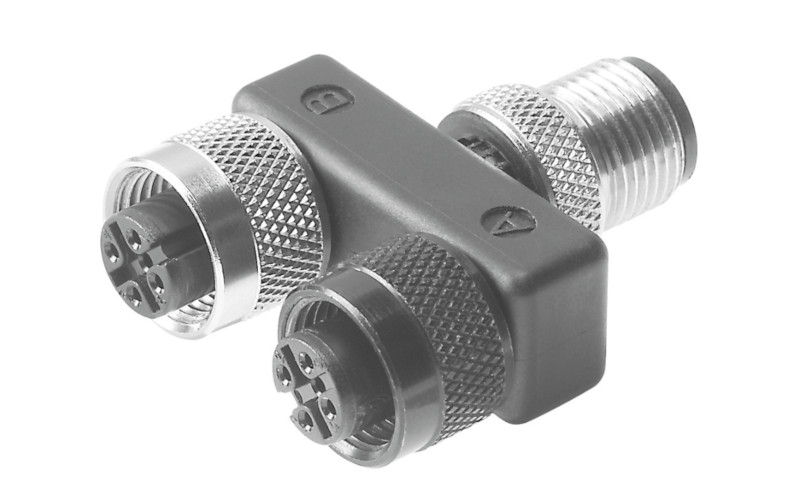
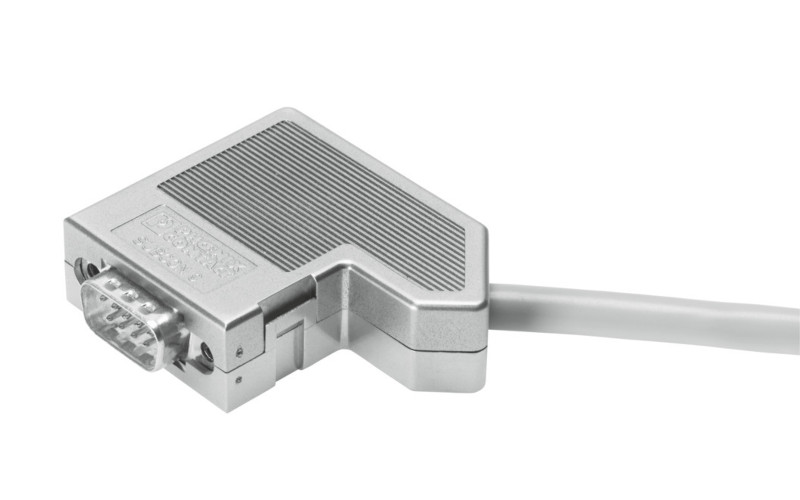
Standards and dimensions also determine whether a connector will operate reliably over the long term. The plug and socket must fit together precisely—in terms of design, number of pins, and connection type. Only when everything is correctly matched will current flow safely and data reach its destination without interference. Standards such as DIN or IEC help ensure that different devices can be connected in a system-compatible manner. If you regularly retrofit systems or replace components, precisely matched connectors make the job easier. You can quickly disconnect and reconnect them without tools or significant effort. This ensures stable operation without failures. Ultimately, what matters is that the connector is suited to the task, the environment, and the system.

 Free home delivery!* from 50 € order value
  from 500 € 1% online discount - from 1000 € 2% online discount

 DE
DE EN
EN