to the shop

Free home delivery!* from 50 € order value

from 500 € 1% online discount - from 1000 € 2% online discount

Partslist import
0
Quick order Pcs.
0 0,00 €
Pneumatikschläuche

Flexible Connections, Precise Control

Pneumatic hoses connect valves, cylinders, and other components, ensuring that air reaches exactly where it is needed. They are indispensable in automated systems. After all, processes can only run precisely, quickly, and without disruption if the connections are right. FESTO offers hoses that remain flexible, are precision-manufactured, and operate reliably even under continuous stress. They are easy to install, remain leak-free during movement, and meet the requirements of a wide variety of applications. Their range of applications extends from flexible assembly lines and robust machine components to hygienically demanding applications in the food industry. No matter what your application requires, you’ll find the right FESTO pneumatic hose at Klefinghaus.
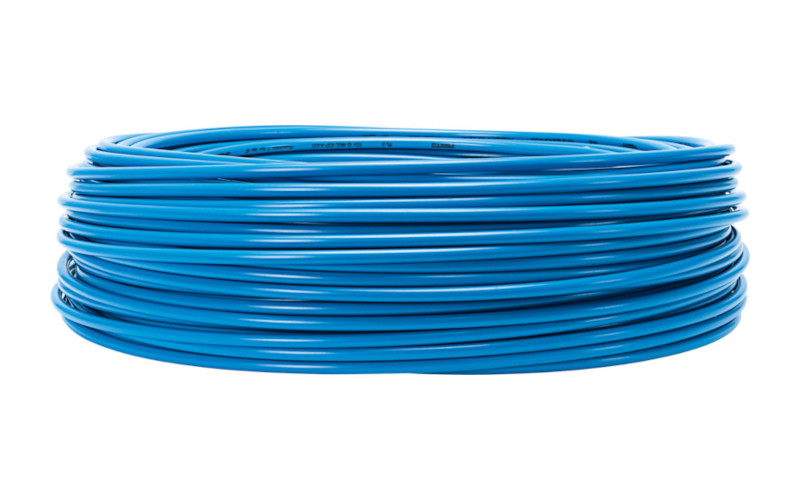
 

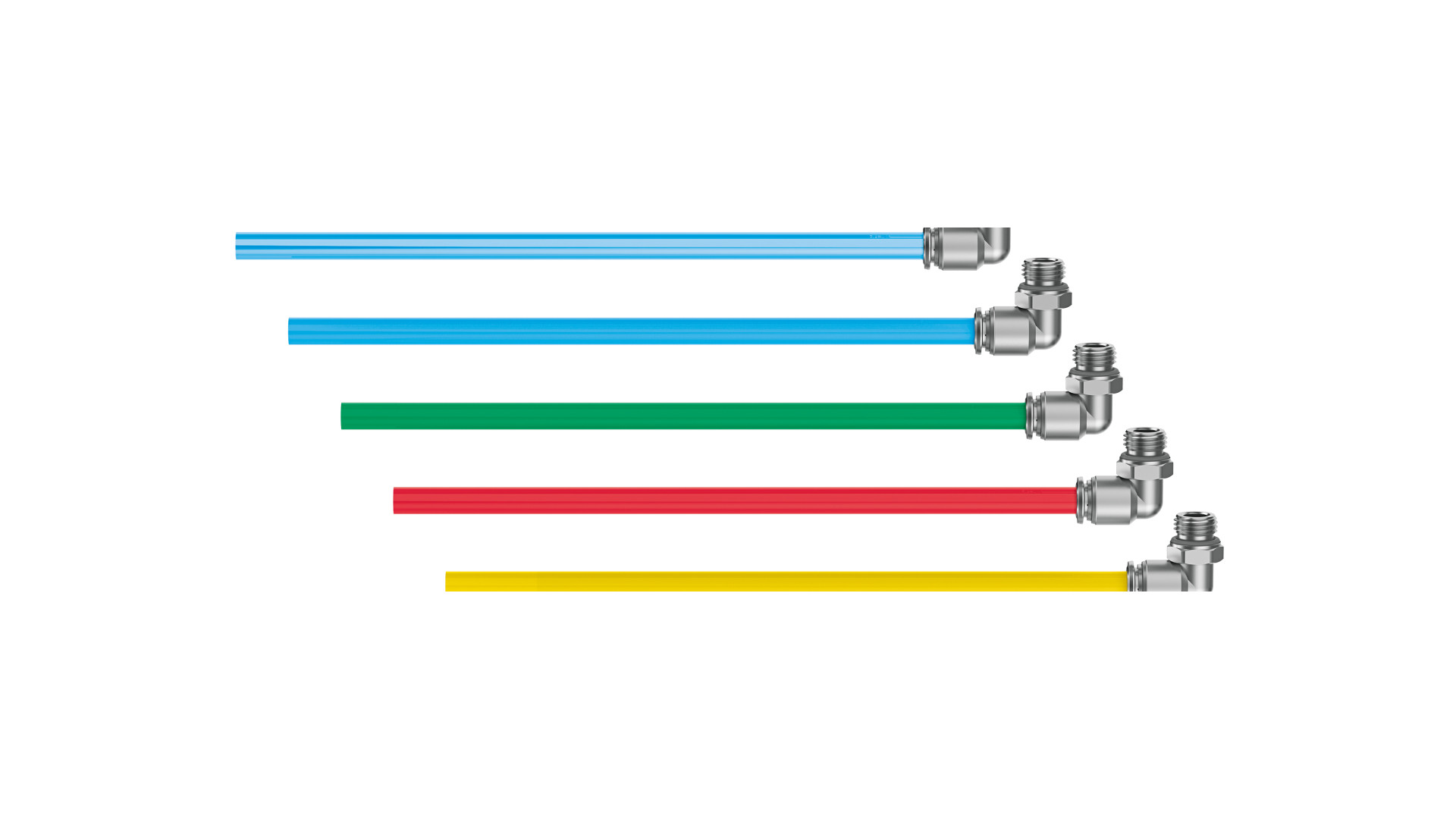
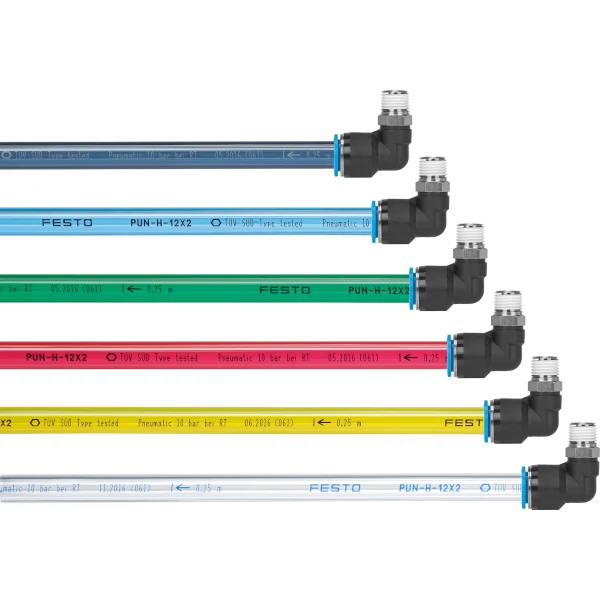
Externally calibrated pneumatic hoses

Außenkalibrierte Pneumatikschläuche

Perfect for precise connections.

Learn more

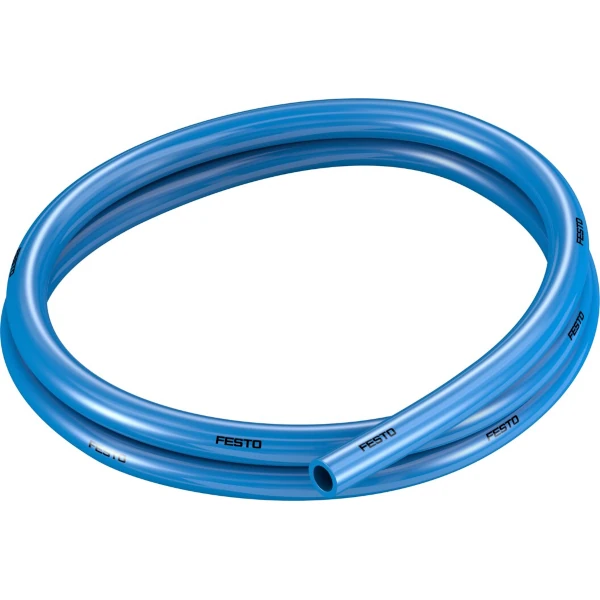
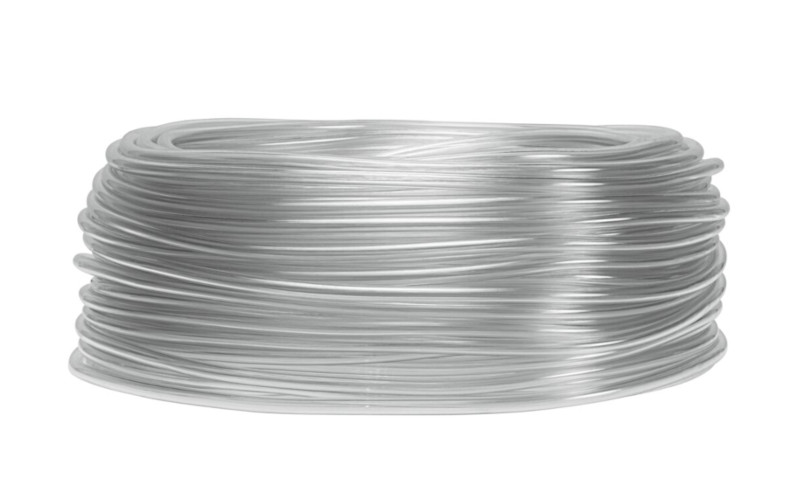
Internally calibrated hoses

Innenkalibrierte Schläuche

For applications with high flow rate requirements.

Learn more

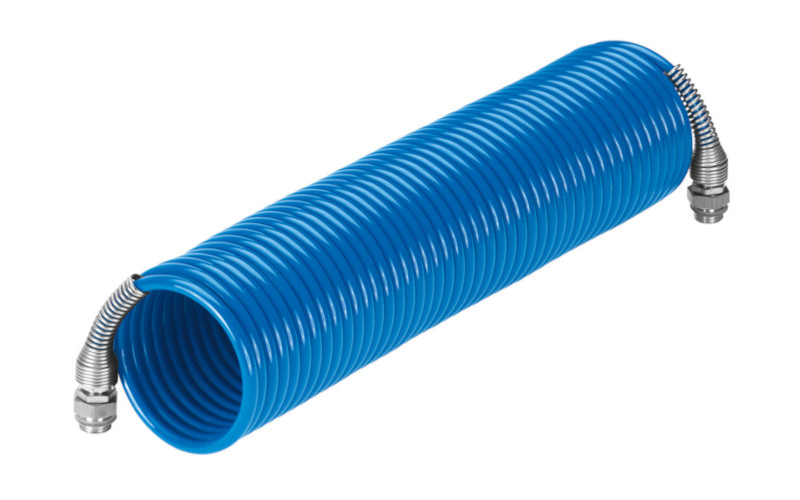
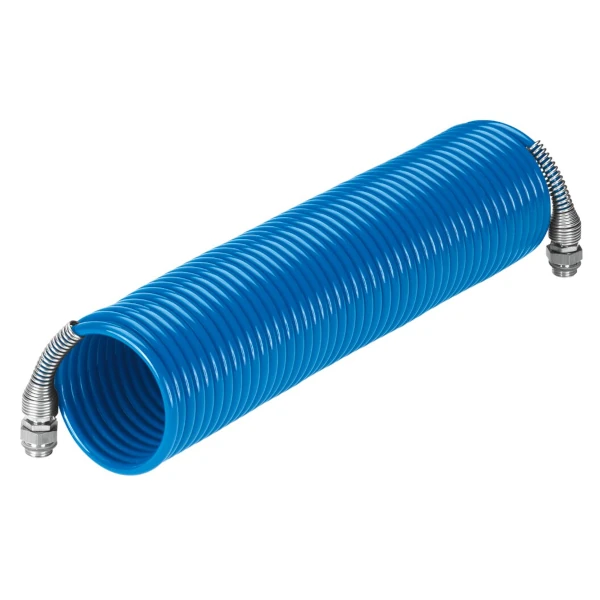
Spiral hoses Spiral hoses

Spiralschläuche Spiralschläuche

Space-saving and flexible solutions.

Learn more

Everything fits together perfectly

Ensuring that compressed air reaches its destination safely requires more than just the right hose. It is the interaction with the appropriate connection technology that makes the system reliable. FESTO offers a wide range of products for this purpose. Every component can be easily integrated and withstands continuous stress.

  • Connections that work
    There is a suitable solution for every connection. Push-in fittings ensure quick connection, while threaded fittings remain reliably leak-tight even under high pressure. Those working with multiple lines can use manifolds or multi-port systems that can be integrated to save space. Couplings enable flexible disconnection and connection of lines—during installation as well as during operation. Rigid tubing is also available when the air line must be particularly dimensionally stable.
  • Tools that make assembly easy
    The right tools are available to ensure smooth installation. A clean cut is crucial for ensuring a tight seal. That’s why FESTO hose cutters ensure smooth edges and precisely cut lines. Installation aids assist with insertion and securing, especially in tight installation situations. This ensures every connection fits perfectly the first time. Those looking to expand or build a new system can find suitable components at Klefinghaus that can be combined in a well-thought-out manner.
Auf Leistung getrimmt

Designed for Performance

Pneumatic hoses form the pathways connecting the moving and control elements of a compressed air system. Their purpose is clear: they are designed to direct the air precisely where it is needed. To ensure this happens reliably, they must be suitable for both the application and the environment.

The material determines the performance

Not every hose reacts the same way. Polyurethane is suitable for confined installation spaces because it is very flexible and can be routed tightly. Polyamide retains its shape even at higher pressures and is resistant to mechanical stress. Polyethylene is lightweight, has good chemical resistance, and is easy to process. When temperature or media resistance is critical, PFA demonstrates its strengths.

This selection allows the hose to be precisely tailored to the application’s requirements. It is not just the operating pressure that matters here. The frequency of hose movement, the temperatures encountered, and aggressive substances also play a role. If the hose material is right for the application, the system remains stable, low-maintenance, and durable.

Overview of Hose Types

The requirements for a pneumatic hose vary significantly depending on the application. It is not just the material that matters; the calibration and design also determine how well a hose can be integrated. The key factors are how precisely it connects, how much air it transports, and how flexible it remains during operation. In practice, three designs have proven particularly effective.

Externally calibrated hoses for standard-compliant connections

This hose variant is the standard in pneumatics today. The outer diameter is precisely manufactured and fits directly into push-in fittings. This creates a tight connection that can be established without tools. Additional securing is usually not necessary. The hoses are available in various materials. Those who prioritize tight bending radii should opt for polyurethane. For high-pressure applications, polyamide is the right choice. Typical applications include automation, compressed air systems, and anywhere hoses need to be connected quickly and reliably.

Internally calibrated hoses for maximum flow

With these hoses, the inner bore is critical. It remains constant along the entire length, thereby enabling a particularly uniform airflow. This design is frequently used in older systems or with special screw-on fitting systems where the internal diameter is important. It is suitable for applications with high air demand, such as in heavy industry or where long piping runs are involved. This hose type is also still used in applications where clamp or screw connections are still in use.

Spiral hoses for dynamic environments

These hoses are wound in a spiral shape and return to their original form after being stretched. This saves space and prevents tripping hazards or tangles. Their high springback makes them ideal for tools that need to remain mobile or for machines that are constantly in motion. Applications include assembly stations, robotic arms, or workshops where frequent repositioning or retooling is required.
When properly selected, the hose plays a crucial role in ensuring that processes run smoothly, safely, and economically.


How to Choose the Right Pneumatic Hose

Selecting the right hose is critical to the performance of the entire compressed air system. Choosing the wrong one can lead to leaks, pressure loss, or premature wear. It is therefore worth carefully assessing the requirements—and taking a systematic approach.

These four criteria are key

1

Material

Each material has its own properties. Polyurethane is very flexible and allows for tight bending radii, making it well-suited for moving machinery. Polyamide withstands higher pressures and temperatures but is stiffer. Polyethylene is lightweight and chemical-resistant but less mechanically resilient. PFA offers the highest resistance to chemicals and temperatures and is ideal for sensitive areas such as food or chemical production.

2

Diameter

The outer diameter must match the push-fit fitting being used. This is the only way to ensure a tight and secure connection. The inner diameter, in turn, determines how much air can flow through the hose. This factor is crucial for long lines or high air consumption.

3

Temperature range

The environment and the medium determine the temperatures that will be encountered. In hot manufacturing environments, a PA or PFA hose is more suitable than a PU hose, which softens at high temperatures.

4

Operating Pressure

Each hose type is designed for a specific pressure range. If this range is exceeded over an extended period, the hose will lose its shape or develop leaks. A PA hose can withstand up to 10 bar, while a PU hose typically has a slightly lower limit. Here, too, it’s best to plan with a safety margin.

Which combination is right for your application?

Requirement Recommended hose type
Moving parts, tight bends Polyurethane (PU)
High pressure, high temperatures Polyamide (PA)
Lightweight, chemical media Polyethylene (PE)
Extreme conditions Perfluoroalkoxy (PFA)

These questions will help you choose the right hose

1. Analyze the application
How does the machine move? What fluids are being used?

2. Consider the environment
Will the hose be exposed to heat, cold, chemicals, or mechanical stress?

3. Check the connection
Does the hose fit the existing fittings and meet the required air flow?

4. Plan for maintenance
Does the hose need to be replaced regularly? Or is a long-term solution required?

If you keep the most important points in mind when making your selection, you can avoid common mistakes. After all, not only should the hose fit perfectly, but the entire system should operate reliably.

Diese Fragen helfen bei der Auswahl des passenden Schlauchs
Installation und Wartung im Alltag

Installation and Maintenance in Everyday Life

Careful installation ensures proper function and extends the service life of the entire compressed air system. Even minor errors during installation can lead to leaks, pressure loss, or unnecessary downtime in such a system. To prevent this from happening, it is essential that the correct hose be installed properly from the start.

What Matters During Installation

Hoses must not be kinked or bent too sharply. A radius that is too tight restricts airflow and can damage the hose wall over time. The hose should be routed so that it lies without tension. Too much tension or pressure in the line can place permanent stress on the material, loosen the seal, or deform the hose during operation. Twisting or friction against other components can also cause damage over time. The cut also determines the seal. The ends should be smooth and straight. A special hose cutter helps create clean edges. This ensures the hose fits securely in the fitting and can be connected tightly. It is also important that the diameter and fitting match. Only when both are precisely matched will the connection remain reliably secure over time.
If hoses are used in areas with intense heat, chemicals, or mechanical stress, additional protection is recommended. Special sheaths or guide sleeves prevent external influences from causing premature wear.

Plan Maintenance, Prevent Downtime

Even though it operates in the background, a pneumatic hose plays a key role in the system’s stability. That’s why you should inspect it regularly. A simple visual inspection can detect cracks, flattening, or discoloration early on. Small leaks at the connections are a clear warning sign. They may indicate a damaged seal or an aged hose wall. Inspection intervals depend on the intensity of use. As a rule, a check every six to twelve months is sufficient. Those working with high temperatures, aggressive media, or vigorous movements should inspect at shorter intervals.
A hose should be replaced at the latest when kinks, porous areas, or deposits appear. The operating conditions of the new hose must also be suitable for the application. Pressure and temperature ranges must be considered, as well as resistance to chemicals. If hoses are not in constant use, they should be stored in a dry, cool, and protected location. Otherwise, direct sunlight, moisture, or chemicals can unnecessarily stress the material.

Wartung planen, Ausfälle vermeiden

Contact and Consultation – Take Advantage of Our Expertise

Are you planning a new system or looking to optimize existing lines? We’ll help you select the right pneumatic hose, review technical requirements, and deliver the appropriate components quickly and reliably. Email us or give us a call. Together, we’ll find the right solution for your application.

Contact

FAQ: Pneumatic Hoses

What pneumatic hoses does Klefinghaus offer from FESTO?

At Klefinghaus, you’ll find a wide range of pneumatic hoses from FESTO for many different applications. These include externally calibrated hoses for quick-connect fittings, internally calibrated hoses for high air flow, and spiral hoses for moving or confined installation locations. Depending on the application, the hoses are made of different materials. Polyurethane is suitable for flexible applications, polyamide for high pressures. PFA is the right choice for aggressive media and high temperatures.

What is the difference between externally and internally calibrated hoses?

Externally calibrated hoses have a precisely manufactured outer diameter and fit directly into push-in fittings. They are easy to install and provide a tight seal. Internally calibrated hoses are designed for uniform air flow because their inner diameter is manufactured with exceptional precision. They are particularly suitable for older systems or applications with high air demand.

How can you extend the service life of a pneumatic hose?

A long service life starts with the right selection and installation. Hoses should be laid without tension and should not be bent too sharply. Sharp edges, heat, and chemicals should also be avoided. Regular visual inspections help detect damage early on. If a hose is not in constant use, it is recommended to store it in a dry, cool place away from direct sunlight. Proper fittings and careful installation are also important to prevent leaks.

Cookie-Setup

This website uses cookies to provide the best possible functionality.

technically necessary (Session-Cookie, Google Tagmanager)

GoogleAnalytics

Google Conversion-Tracking

GoogleMaps


Privacy | Imprint

Cookie-Setup